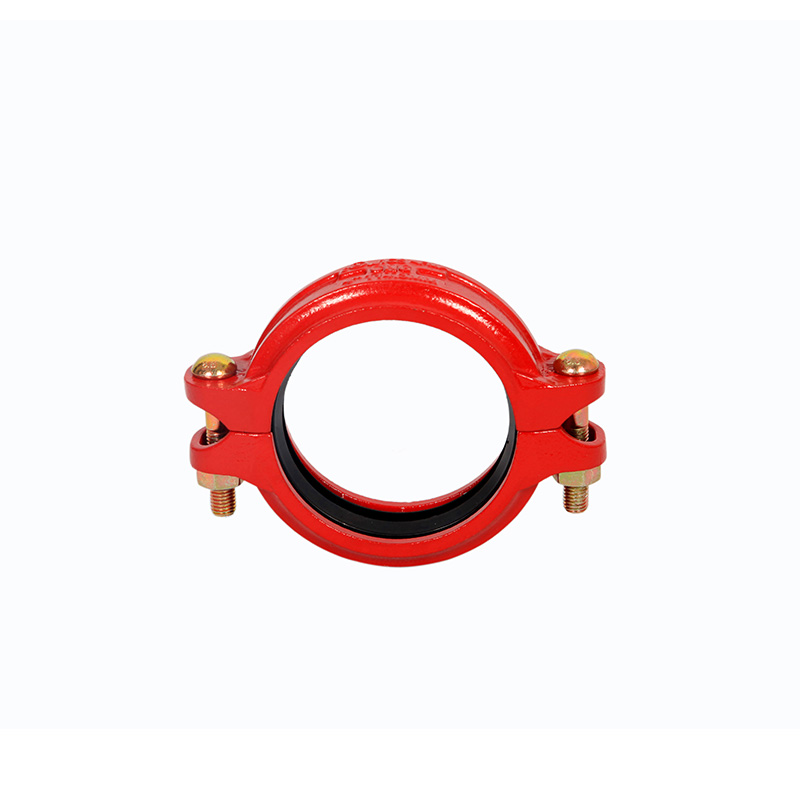
Why Material Selection Matters in Flexible Coupling Lifespan
Aug. 25, 2026
Flexibility is often the cornerstone of functionality in industrial machinery, and nowhere is this more evident than in the realm of flexible couplings. However, the longevity of these critical components frequently falls victim to the oversight of material selection. I’ve seen firsthand how improper choices in materials can precipitate cascading failures in machinery, leading not only to costly downtime but also jeopardizing entire operations. The urgency to address material choices becomes increasingly critical when we consider the profound implications poor selection can have on operational efficiency, safety, and overall productivity.
The crux of the problem lies in the varying mechanical properties and environmental resistances offered by different materials. Flexible couplings are subjected to a multitude of stressors, including torque, vibration, and temperature fluctuations. For instance, using a coupling made from standard steel in a high-temperature setting can lead to premature wear or even catastrophic failure. Each material brings its own strengths and weaknesses; while aluminum may excel in weight reduction, it may not be suitable for high-load applications where steel or specialized alloys would perform better. Understanding these material differences is essential not only for the longevity of the coupling but also for the overall system they are integrated into.
From an industry perspective, the ramifications of neglecting material selection can ripple through a company’s supply chain and operational performance. As a Flexible Coupling manufacturer, I’ve observed that companies that prioritize material science in their coupling designs not only extend the lifespan of their products but also enhance their competitive edge. For example, in a case study involving a leading automotive manufacturer, the firm switched from standard rubber couplings to high-performance polyurethane variants—this resulted in a 30% increase in lifespan and a measurable reduction in maintenance costs. These improvements translate not just to cost savings but also to better resource management and improved workplace safety.
The stakes escalate when we consider data on failure rates. In industries that rely heavily on flexible couplings—like mining, automotive, and manufacturing—studies show that failures in machinery due to inferior coupling material can lead to up to 15% of total unplanned downtime. This can equate to thousands of dollars lost for every hour of production halted. Moreover, regular inspections and adherence to standards such as ASTM and DIN can bolster reliability; however, no inspection can fully mitigate the risks presented by a subpar material choice.
Neglecting the crucial decision of material selection carries severe consequences. Beyond the immediate impact of downtime, there’s an overarching threat to business sustainability. As industries and technologies evolve, the demands placed on flexible couplings change—failing to adapt material strategies can leave companies vulnerable to operational inefficiencies and increased liability. Additionally, if organizations fail to embrace advanced materials like composite and specialty alloys, they might not only lag behind competitors but also incur long-term costs associated with repairs and replacements.
In summation, material selection is a fundamental yet often overlooked aspect of ensuring the longevity and efficacy of flexible couplings. I urge businesses to take this matter seriously: conduct thorough analyses of coupling materials and leverage high-quality standards in production. The right choices not only extend the lifecycle of components but can also revolutionize operational efficiency and profitability in the long run. Don’t let the composition of your couplings dictate the fate of your operations—invest in knowledge and material integrity today.
For further insights into choosing the best flexible couplings for your needs, check out CNG and elevate your business to new heights.
Sep. 28, 2026
Flexible Coupling vs Disc Coupling: Key Differences for Heavy MachinerySep. 28, 2026
Why Flexible Couplings Are Critical in VFD Motor ApplicationsSep. 28, 2026
How Flexible Couplings Can Handle Misalignment in Pump Systems