What Certifications and Quality Checks Matter for Flexible Coupling Suppliers
Sep. 28, 2026
Flexible couplings are vital mechanical components that play a crucial role in transmitting torque and accommodating misalignments between connected shafts. These components are designed for various applications, including power transmission in industrial machinery, automotive systems, and aerospace technologies. For businesses reliant on mechanical systems, selecting a reputable flexible coupling manufacturer with appropriate certifications and quality checks can significantly impact operational efficiency and product lifespan.
Understanding the certifications and quality checks relevant to flexible coupling suppliers is essential, especially as industries become increasingly quality-focused. Couplings' effectiveness directly influences machinery performance; thus, adherence to specific industry standards is necessary. Historical evolution in the manufacturing process has led to the establishment of various quality benchmarks, ensuring that suppliers meet stringent requirements, thereby enhancing reliability and safety.
The practical application of these certifications can be exemplified by standards set forth by organizations such as ASTM and DIN. For instance, compliance with ISO 9001 demonstrates a supplier's consistent quality management practices. Furthermore, quality checks like 100% inspection for defects ensure that only top-tier couplings are delivered, reducing downtime and maintenance costs for businesses. Suppliers with a commitment to quality often report higher customer satisfaction and reduced complaints, ultimately resulting in stronger business relationships.
Common misconceptions regarding flexible coupling certifications include the belief that all suppliers are equally qualified. In reality, not all manufacturers adhere to quality standards that guarantee excellence. Some businesses may also underestimate the importance of documentation and traceability. Without proper certification, a supplier’s products can fall short of industry requirements. Emphasizing the necessity of robust quality assurance processes dispels these myths and fosters informed decision-making among procurement professionals.
Consider a case where a manufacturing plant used a flexible coupling from a non-certified supplier. As a result, they experienced repeated failures in their drivetrains, leading to costly downtimes and repair expenses. In contrast, facilities that sourced their couplings from a certified supplier, such as those compliant with ISO 9001 or ASTM standards, reported improved performance and reduced operational losses. These examples illustrate the substantial impact of selecting the right flexible coupling manufacturer on business outcomes.
In conclusion, recognizing what certifications and quality checks matter for flexible coupling suppliers is crucial for any business aiming to optimize its mechanical systems. Such investments pay off through increased efficiency, reduced failure rates, and enhanced operational reliability. By exploring the significance of these standards and ensuring compliance in your supplier choices, you can protect your operations and maximize the potential of your machinery. For more information, consider evaluating suppliers who meet these industry benchmarks, such as those found within the comprehensive networks of trusted providers. Take action today to secure the quality your business deserves.
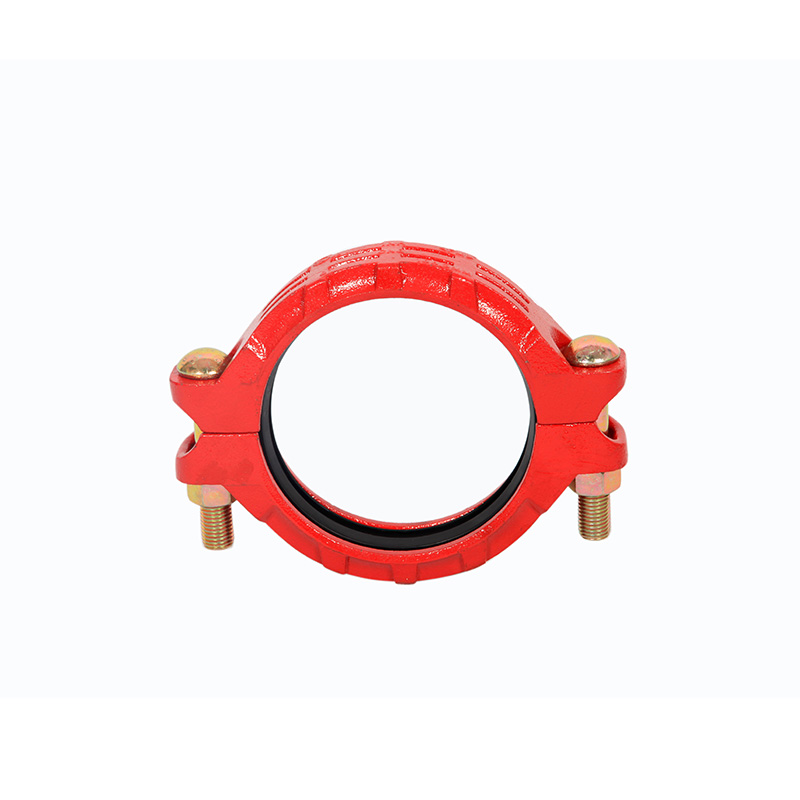 CNG Coupling Example" />
Sep. 28, 2026
Flexible Coupling vs Disc Coupling: Key Differences for Heavy MachinerySep. 28, 2026
Why Flexible Couplings Are Critical in VFD Motor ApplicationsSep. 28, 2026
How Flexible Couplings Can Handle Misalignment in Pump Systems


