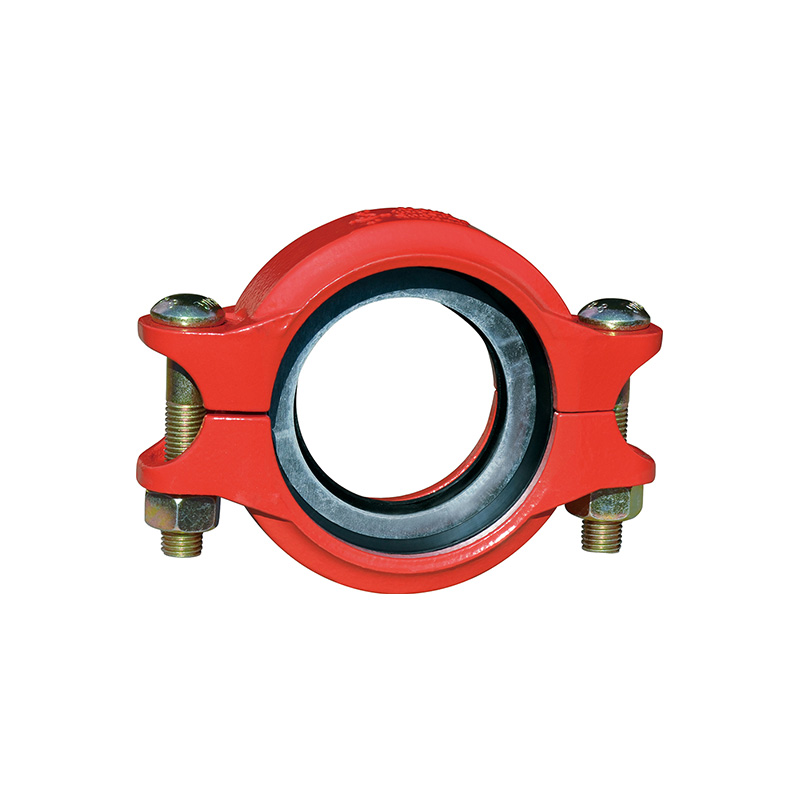
How to Customize Flexible Couplings for Non-Standard Shaft Sizes
Aug. 25, 2026
Understanding the Importance of Flexible Couplings
What are Flexible Couplings?
Flexible couplings are mechanical devices that link two shafts to transmit torque while allowing for misalignment. They are integral to various machinery and equipment to ensure smooth operation.
Why Customize for Non-Standard Shaft Sizes?
Standard couplings may not fit every application, especially in custom machinery. Customizing allows for better performance, reduced wear, and enhanced vibration dampening.
Steps to Customize Flexible Couplings
Step 1: Identify Shaft Specifications
Before customization, gather detailed specifications for both shafts:
- Diameter
- Length
- Keyway dimensions
- Threading types
Step 2: Select the Appropriate Flexible Coupling Type
Choose among various types such as:
- Metallic couplings
- Elastic couplings
- Gear couplings
Consider factors like torque requirements and alignment flexibility.
Step 3: Measure and Prepare the Shafts
Accurately measure the exposed sections of both shafts, ensuring precise alignment before proceeding with customization. Ensure the surfaces are clean and free of debris.
Step 4: Obtain Required Tools
Gather the necessary tools for customization:
- Calipers for measurements
- Drill for keyways or holes
- Saw for shaft adjustments
- Lathe machine for precise modifications
Step 5: Customize the Coupling
Follow these steps for customization:
- Machine the inner diameter of the coupling to fit the shaft.
- Add keyways as needed for secure attachment.
- Verify the coupling fits correctly before finalizing the connection.
Step 6: Assemble and Test
Install the customized coupling on both shafts, ensuring all alignments are correct. Perform a gradual test run to observe any irregularities.
Avoiding Common Mistakes During Customization
Ignoring Shaft Alignment
Failure to align shafts can lead to premature wear and equipment failure. Use alignment tools to ensure precision.
Over or Under-Sizing Components
Measurements should be accurate, as incorrect sizing can result in ineffective torque transfer and mechanical failure.
Neglecting Material Compatibility
Ensure the materials of the coupling and shafts are compatible to prevent corrosion or mechanical failure.
Conclusion
Customizing flexible couplings for non-standard shaft sizes is essential for optimizing machinery performance. Adhering to the outlined steps and avoiding common mistakes can lead to successful customization, ensuring operational efficiency. For quality flexible couplings, consider CNG for your manufacturing needs. Visit us at CNG.
Sep. 28, 2026
Flexible Coupling vs Disc Coupling: Key Differences for Heavy MachinerySep. 28, 2026
Why Flexible Couplings Are Critical in VFD Motor ApplicationsSep. 28, 2026
How Flexible Couplings Can Handle Misalignment in Pump Systems