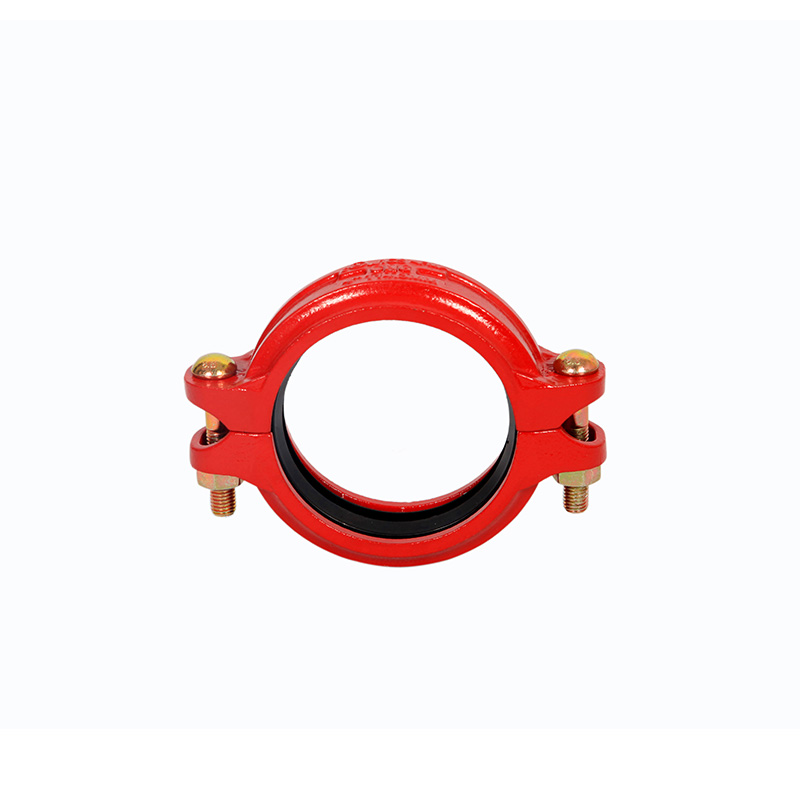
How to Choose the Right Flexible Coupling for Your Industrial Equipment
Mar. 10, 2026
Understanding Flexible Couplings
What is a Flexible Coupling?
A flexible coupling is a mechanical component that connects two shafts while allowing for misalignment and reducing vibration. These couplings are crucial for ensuring the smooth operation of industrial equipment.
Types of Flexible Couplings
There are several types of flexible couplings, including:
Insert Couplings
Grid Couplings
Disc Couplings
Bellows Couplings
Assessing Your Application Needs
Identify Operating Conditions
The first step in choosing a coupling is to clearly define operating conditions, which involves:
Understanding the torque requirements.
Analyzing the speed and RPM.
Considering the environmental factors such as temperature and exposure to chemicals.
Determine Misalignment Levels
Evaluate the expected misalignment in your application. Misalignment can be angular, parallel, or axial. Selecting a coupling that can accommodate these levels is essential for longevity and performance.
Calculating Shaft Alignment
Tools You Will Need
Before proceeding with any checks, gather the following tools:
Dial indicators
Laser alignment tools
Measurement tape
Step-by-step Calculation
Follow these steps to properly calculate shaft alignment:
Measure the distance between the shafts using the measurement tape.
Check angular misalignment with dial indicators.
Use laser alignment tools for precise alignment.
Selecting the Proper Flexible Coupling
Consider Material Compatibility
Different materials handle different environments. Ensure the coupling material is compatible with your process fluids and temperature requirements.
Review Load Capacity and Performance Data
Before finalizing your selection, review the load capacity specifications and performance data to ensure the coupling meets your application demands.
Installation Tips for Your Flexible Coupling
Installation Preparation
Ensure that you follow these preparatory steps:
Clean the shafts before installation.
Inspect the coupling for any manufacturing defects.
Installation Procedure
The installation process should include the following:
Align the couplings properly to prevent stress.
Tighten all bolts according to manufacturer specifications.
Perform a visual inspection and test run.
Avoiding Common Mistakes
Mistakes to Avoid During Selection
It's crucial to be aware of common pitfalls:
Ignoring misalignment tolerances.
Choosing a coupling based on price alone.
Failing to check for adequate torque ratings.
Mistakes During Installation
Common installation mistakes that should be avoided include:
Not using the correct tools for alignment.
Skipping the inspection of components before installation.
Conclusion
Choosing the right flexible coupling is essential for maximizing the performance and reliability of your industrial equipment. By following the detailed steps outlined in this guide, including assessing your application needs and avoiding common errors, you can make an informed decision. For high-quality flexible couplings, consider CNG - your trusted manufacturer. Visit CNG for more information.
Aug. 25, 2026
Other Considerations When Ordering Bulk Flexible Couplings for OEM ProjectsAug. 25, 2026
How to Customize Flexible Couplings for Non-Standard Shaft SizesAug. 25, 2026
Tips for Preventing Coupling Looseness and Shaft Damage