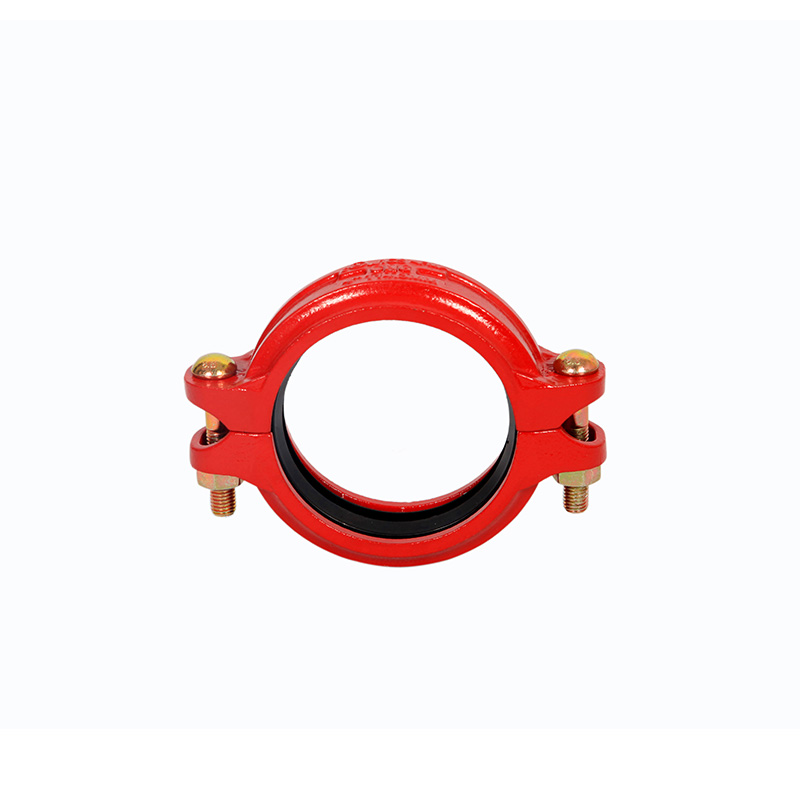
How Flexible Couplings Can Reduce Equipment Downtime and Maintenance Costs
Apr. 10, 2026
As industries strive for greater operational efficiency, reducing equipment downtime and maintenance costs has become paramount. In this article, I will provide clear, actionable steps for leveraging flexible couplings to minimize disruptions in operations, ensuring your machinery runs smoothly and reliably. Through practical application and strategic considerations, you’ll be able to implement flexible couplings effectively in your operations.
Identifying the Problems
Every operation faces common challenges, including misalignments, wear and tear on machinery, and unexpected breakdowns. Each of these issues can lead to prolonged equipment downtime, driving up maintenance costs. According to industry studies, improper alignment alone can cause up to 50% of mechanical failures. These failures often lead to costly repairs and inefficiencies, costing businesses thousands in lost productivity.
Implementing Flexible Couplings: A Step-by-Step Guide
-
Assess Current Equipment and Needs: Begin by evaluating your existing equipment and identifying areas where misalignment or vibrations occur. This will help you pinpoint where flexible couplings could make the most impact. Utilize tools such as laser alignment systems to ensure precision to 0.01mm.
-
Select the Right Flexible Coupling: Choose a coupling that matches your equipment's specifications and operational requirements. Consider factors like torque capacity, speed requirements, and the environment in which they will operate. Brands like CNG offer a variety of couplings designed for specific industrial needs.
-
Installation Process:
- Remove Existing Coupling: Carefully detach your existing coupling, ensuring that you document alignment settings to replicate them during the new installation.
- Align the Couplings: Ensure proper alignment as per the manufacturer’s specifications (such as ASTM or DIN standards). Misalignments of even a few degrees can lead to severe wear or failure.
- Install the New Flexible Coupling: Securely attach your new flexible coupling, and double-check all settings. Use torque wrenches to ensure connections are snug but not over-tightened, which could damage components.
-
Test the New Integration: After installation, run your equipment under normal operating conditions while monitoring vibration and alignment. This step is crucial to ensure that the flexible coupling is functioning correctly and meeting performance expectations.
Real-World Effects of Using Flexible Couplings
Businesses that have integrated flexible couplings into their machinery report significant decreases in downtime. For instance, a manufacturing facility that implemented flexible couplings improved their operational efficiency by approximately 30%, leading to savings of thousands of dollars annually in maintenance costs. The flexibility provided by these couplings allows for better shock absorption, which translates into less stress on connected components.
Overcoming Potential Challenges
Despite their advantages, some challenges may arise during the implementation of flexible couplings:
- Initial Cost outlay: The upfront investment in quality couplings may seem high. However, considering the long-term savings in maintenance costs and reduced downtime, these are often negligible.
- Compatibility Issues: Not all couplings will fit every machine. Conduct thorough compatibility assessments during the selection process, or consult with a flexible coupling manufacturer to minimize risks.
To further enhance your execution, consider utilizing maintenance management software to track the performance of your couplings and schedule timely inspections or replacements.
Key Steps to Take Action
To recap, here are the vital steps to implement flexible couplings effectively:
- Assess existing equipment for misalignments.
- Choose the appropriate type of flexible coupling based on your machine and environment.
- Follow proper installation and alignment procedures.
- Test and monitor the equipment post-installation.
By following these steps, you can significantly reduce equipment downtime and maintenance costs, ensuring a more productive and cost-effective operation.
It’s time to take action! Consider integrating flexible couplings into your operations today and witness firsthand the positive impact they can have on reducing costs and downtime. For more information and to explore quality options, check out CNG products here.
Improve your operational efficiencies and protect your bottom line with the power of flexible couplings!
Aug. 25, 2026
Other Considerations When Ordering Bulk Flexible Couplings for OEM ProjectsAug. 25, 2026
How to Customize Flexible Couplings for Non-Standard Shaft SizesAug. 25, 2026
Tips for Preventing Coupling Looseness and Shaft Damage